

Managing and mitigating risk is one of your key responsibilities as a business owner. And in recent years, we’ve seen an increasing level of risk associated with extreme environmental conditions and fluctuating weather events.
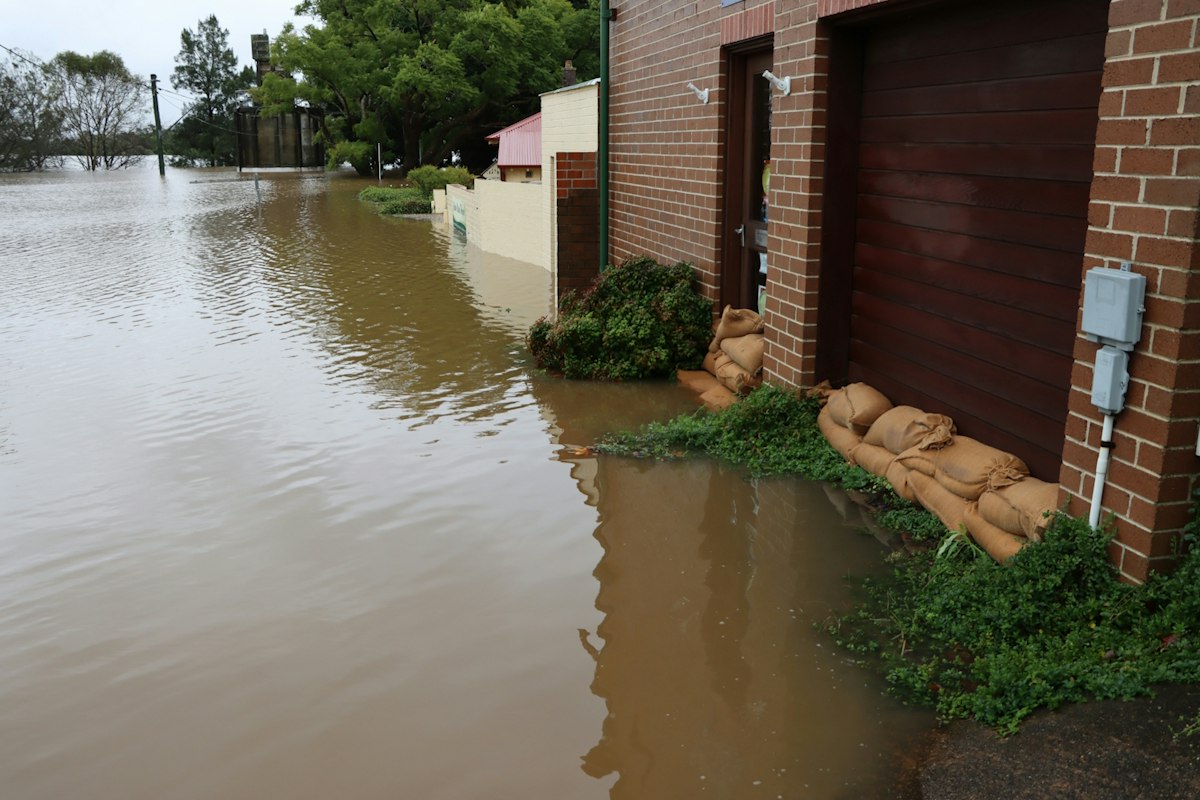
Storm damage, wildfires and flooding are on the rise, threatening your ability to keep your business trading during weather-related emergencies.
What can you do to reduce the risk and mitigate these environmental threats
1. Protect and weatherproof your premises
If your office, shop or factory premises are in high-risk areas, it’s vital to protect them.
Think about weatherproofing the building by installing flood barriers, upgrading to fire-resistant materials and using windows and doors that can withstand flooding and high winds. By scaling up your protection of the building, you safeguard your machinery, inventory and site infrastructure from the worst of the potential damage.
2. Have your key data and systems available in the cloud
With so many business processes reliant on your digital infrastructure, it’s essential that your data is backed up offsite and that your key systems are available in the cloud.
Make sure your important company records, financial databases and operational platforms are accessible in the cloud and that you can run these systems from any location. Having remote backups to cloud servers makes it easier to get the business up and running from a new location, if your main HQ is affected by fire, flooding or storm damage.
3. Make sure you have the right insurance cover
It’s difficult to know which extreme weather factors may affect your business. So, a key part of your risk management process is to take out the relevant environmental insurance.
Work with your business insurance provider to tailor your policies to cover specific regional threats, like floods, wildfires and storms. And make sure you’re insured for business interruption and any breaks in normal trading.
4. Have a clear emergency response plan
When (and if) disaster does strike, it’s vital that you have a pre-agreed emergency action plan for the business and your staff. This provides the steps needed to stay safe, project the business and react in the most effective ways to any encroaching weather events.
This means having protocols that lay out the evacuation routes from the premises, how to safely shut down machinery and where employees should gather to remain safe.
If you’re looking to improve your risk management and build clearer protocols for your emergency planning, come and have a chat with our team.
We can review your current protection, insurance and emergency procedures to build a more holistic environmental risk management strategy.
The information (including taxation) contained on this website is of a general nature only and neither represents nor is intended to be personal advice on any particular matter. DLA Partners strongly suggests that no person should act specifically on the basis of the information in this document, but should obtain appropriate professional advice based on their own personal circumstances.